

Outdoor UV Sterilizer Installation: Freeze and Sun Protection
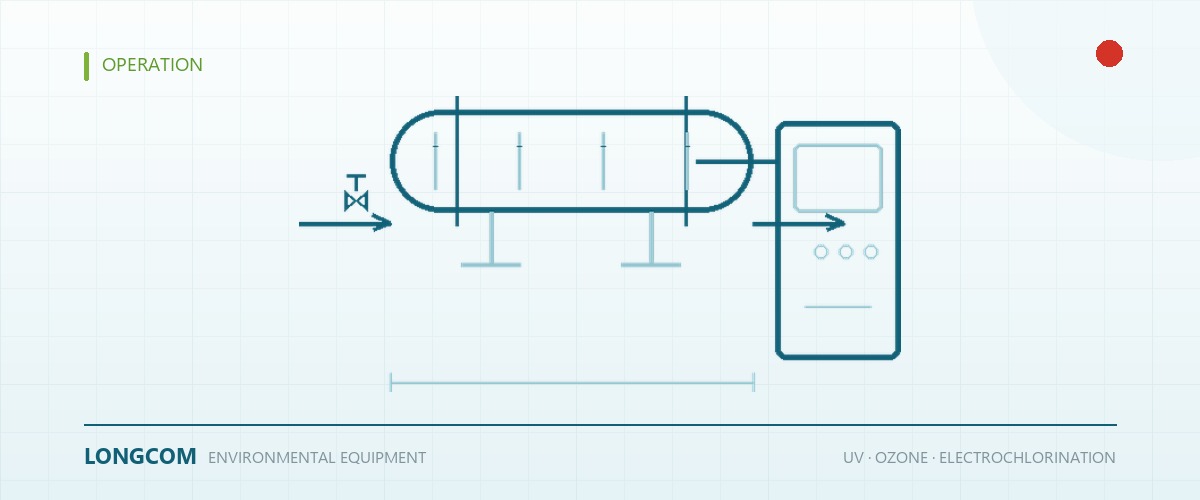
UV sterilizers installed outdoors are exposed to low temperatures, direct sunlight, rain and other environmental stresses, and therefore require dedicated freeze and sun protection. Longkang supplies outdoor-rated UV sterilizers and engineered outdoor installation packages. This article explains the key points of freeze protection and sun protection for outdoor installations.
1. Outdoor Environmental Challenges
1.1 Low-Temperature Challenges
- Winter ambient temperatures can fall below 0°C
- Water inside the unit can freeze and expand, potentially damaging the chamber and the quartz sleeve
- Low temperatures impair lamp ignition and UV output
- Electronic components lose performance at low temperatures
1.2 High-Temperature and Sunlight Challenges
- Direct summer sunlight raises the surface temperature of the unit
- UV radiation accelerates the ageing of seals and cables
- High temperatures shorten ballast service life
- Rising water temperature reduces lamp life
1.3 Rain and Humidity Challenges
- Rainwater can enter the electrical compartment
- High humidity reduces insulation resistance
- Corrosion of metal parts
- Mould growth
1.4 Other Challenges
- Wind-blown sand and dust
- Corrosive gases (coastal and industrial areas)
- Vibration (near roadways)
- Vandalism
2. Outdoor-Rated Equipment Configuration
2.1 Ingress Protection Rating
- Standard outdoor model: IP66 (dust-tight, protected against powerful water jets)
- Control cabinet: IP66
- Cable entries: waterproof cable glands
- Lamp sockets: double seals
2.2 Material Upgrades
- Chamber: 304 stainless steel (standard) or 316L (coastal / highly corrosive environments)
- Outer surface: powder coating (UV-resistant and corrosion-resistant)
- Fasteners: 304 stainless steel bolts
- Seals: fluororubber (ageing-resistant and UV-resistant)
2.3 Electrical Upgrades
- Ballast: wide-temperature type (−20°C to 60°C)
- Cables: UV-resistant and low-temperature-rated (to −40°C)
- Control cabinet: heater / dehumidifier (optional)
- Lightning protection: surge protective device (optional)
2.4 Freeze-Protection Configuration
- Electric heat tracing: chamber and pipe tracing (optional)
- Insulation: chamber and pipe lagging (optional)
- Thermostat: heat-tracing temperature control
- Low-temperature alarm: triggers when the temperature falls too low
3. Freeze-Protection Measures
3.1 Equipment Insulation
- Wrap the chamber with an insulation layer
- Insulation material: elastomeric foam insulation, 20–30 mm thick
- Clad with aluminium or stainless steel sheet for protection
- Insulate the pipework at the same time
- Reduce heat loss and prevent freezing
3.2 Electric Heat Tracing
- Wrap self-regulating heating cable around the chamber and pipework
- Heating cable rating: 15–30 W/m
- Thermostat control: starts below 5°C and stops above 15°C
- Apply insulation over the heating cable
- Suitable for regions with cold winters
3.3 Keeping Water Moving
- Water is moving while the unit runs, so freezing is unlikely
- Drain all standing water during extended shutdowns
- Or maintain a small continuous flow (drip freeze protection)
- Run circulating systems 24 hours a day
3.4 Drain-Down Freeze Protection
- For extended winter shutdowns:
- Close the inlet valve
- Open the drain valve
- Open the air vent valve
- Drain all water from the chamber
- Blow dry with compressed air
- Close all valves
- Prevent freeze damage
3.5 Equipment Room / Insulated Enclosure
- Prefer indoor installation
- For outdoor sites, build a small insulated equipment room
- Or enclose the unit in an insulated cabinet
- Heat the room with an electric heater
- Maintain the temperature at ≥5°C
4. Sun-Protection Measures
4.1 Sunshade Canopy
- Build a sunshade canopy above the unit
- Canopy materials: colour-coated steel sheet, polycarbonate (PC) sheet, canvas
- Make the canopy larger than the unit to shade all four sides
- Ensure good ventilation (not sealed)
- Prevent direct sunlight
4.2 Powder Coating
- Powder-coat the outer wall of the chamber (outdoor-grade powder coating)
- Colour: light grey or white (to reflect sunlight)
- The coating is UV-resistant and ageing-resistant
- Protects the stainless steel surface
- Reduces heat absorption
4.3 Cable Protection
- Run cables through galvanized steel conduit or PVC conduit
- Avoid direct sunlight exposure
- Use UV-resistant cables
- Seal cable entries against water ingress
4.4 Seal Protection
- Use UV-resistant fluororubber seals
- Keep seals out of direct exposure (fit protective covers)
- Inspect regularly and replace when aged
5. Rain and Moisture Protection
5.1 Ingress Protection Rating
- IP66 ingress protection rating
- Sealed control cabinet
- Waterproof cable glands at cable entries
- Double-sealed lamp sockets
5.2 Installation Location
- Choose higher ground where water does not collect
- Raise the equipment foundation (≥0.3 m)
- Avoid immersion in rainwater
- A canopy above also sheds rain
5.3 Grounding and Lightning Protection
- Reliable grounding
- Fit outdoor units with surge protective devices
- Grounding resistance ≤4 Ω
- Prevent lightning damage
5.4 Anti-Corrosion Measures
- 304 or 316L stainless steel
- Powder-coated outer surface
- Stainless steel fasteners
- Inspect corrosion regularly
6. Outdoor Installation Steps
6.1 Foundation Construction
- Concrete foundation (at least 0.3 m above ground level)
- Foundation 100 mm larger than the unit footprint
- Cast-in expansion anchor bolts
- Foundation level
6.2 Sunshade Construction
- Steel or aluminium alloy frame
- Colour-coated steel sheet or PC sheet roof
- Sides may be left open (for ventilation)
- Structurally sound and wind-resistant
6.3 Equipment Installation
- Set the unit on the foundation
- Level the unit
- Fix with expansion anchor bolts
- Connect the pipework
- Complete electrical wiring
6.4 Insulation and Heat-Tracing Installation
- Apply insulation to the chamber and pipework
- Wrap heating cable (if required)
- Install the thermostat
- Clad with aluminium sheet for protection
6.5 Commissioning
- Turn on water and power
- Check heat-tracing operation
- Check temperature control
- Check weatherproofing
- Run a trial operation
7. Winter Operation and Maintenance
7.1 Pre-Winter Inspection
- Check that insulation is intact
- Check that electric heat tracing works
- Check thermostat settings
- Inspect the seals
- Drain standing water from low points
7.2 Winter Operation
- Keep the unit running (moving water prevents freezing)
- Check tracing temperature regularly
- Check for ice formation
- Address any abnormality promptly
7.3 Winter Shutdown
- Drain all standing water for extended shutdowns
- Blow dry with compressed air
- Close the valves
- Keep the unit insulated
7.4 Spring Restart
- Inspect the unit for freeze damage
- Fill with water and pressure-test
- Power up and run
- Verify operating parameters
8. Key Points for Outdoor Installation
- Indoor preferred: install indoors whenever possible; indoor conditions are more favourable
- Raised foundation: keep the foundation above ground level to prevent water accumulation
- Sunshade and rain cover: build a canopy for sun and rain protection
- Insulation and heat tracing: mandatory in cold-winter regions
- Drain-down freeze protection: drain all standing water during long idle periods
- Grounding and lightning protection: mandatory for outdoor installations
- Anti-corrosion: use corrosion-resistant materials
- Regular inspection: check insulation, seals and corrosion on a regular basis
9. Longkang Outdoor Solutions
- Outdoor-rated units (IP66, powder-coated, weather-resistant)
- Insulation and heat-tracing packages
- Sunshade canopy design
- Professional outdoor installation
- Winter freeze-protection guidance
- Scheduled maintenance service
- Long-term spare parts supply
- Lifetime technical support
Contact Longkang for outdoor installation design support and freeze-protection selection.