

UV Sterilizers for Swimming Pool Water Treatment
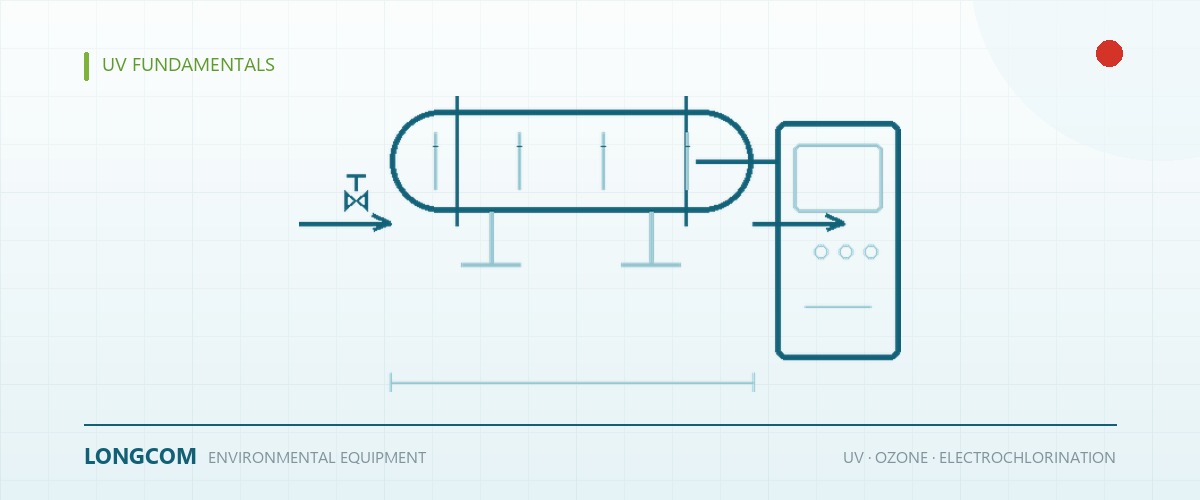
Thanks to excellent performance, UV sterilizers offer many advantages over traditional chemical disinfectants in germicidal action, economy, size and convenience, which makes their use in swimming pools increasingly common.
1. Why swimming pool disinfection matters
Many people enjoy swimming, which benefits both body and mind. It helps improve cardiopulmonary function, build fitness, shape the body, aid recovery from injuries and relieve mental stress. In our cities, swimming in rivers, lakes or the sea involves too many uncontrollable factors and can be dangerous at any time.
Most swimming therefore takes place in pools. Pool water is generally circulating water: it flows continuously and is filtered and disinfected by pool water treatment equipment. The disinfectant plays a crucial role, and its composition and residual level have a significant effect on human health.
Pool water comes into direct contact with the skin and is sometimes accidentally swallowed, for example when water is inhaled. Pool disinfection is therefore closely related to our health.
2. Chlorine-based disinfectants
It should be noted that, however powerful a UV sterilizer is, it is intended to be used together with other disinfection methods, taking into account treatment performance, service life and maintenance frequency. At present, chlorine-based disinfectants dominate swimming pool treatment in China. Common chlorine disinfectants include inorganic chlorides such as liquid chlorine, calcium hypochlorite, sodium hypochlorite and chlorinated trisodium phosphate, and organic chlorine compounds such as sodium dichloroisocyanurate, trichloroisocyanurate and bromochlorohydantoin.
2.1 Advantages
Chlorine disinfectants are broad-spectrum germicides with fast action and low price, so they are extremely widely used.
2.2 Drawbacks
They also have many drawbacks. Chlorine disinfectants are strongly irritating and toxic: they irritate the eyes and skin, causing red eyes and rashes; prolonged contact can turn hair yellow, cause skin redness and swelling, vaginal itching and endocrine disorders. Chlorine disinfectants react with organic matter in water to produce many carcinogenic substances, a risk that should be avoided especially for developing children. Residual chlorine in swimming pools has become a worldwide topic of concern.
2.3 The example of liquid chlorine
Liquid chlorine is chlorine gas (Cl2) in liquid form. It contains 100% available chlorine, has strong germicidal power and offers persistent disinfection as well as algae, odour and taste removal. At normal doses, however, it is ineffective against viruses and pathogenic protozoa. When added to a pool, it is strongly acidic and requires a large amount of alkali to adjust the pH; its dosage is also difficult to control. If an excess fails to react fully, a toxic chlorine gas mist can form, causing serious harm — many pool poisoning incidents have been caused in this way.
3. Using UV sterilizers in swimming pools
3.1 Terminal treatment
How should pool water be treated correctly and effectively? The recommended approach is to use a UV sterilizer together with the water treatment system. As a terminal treatment, the UV sterilizer reduces the need for chlorine preparations, effectively degrades harmful residues of disinfectants and strengthens the disinfection of the pool.
3.2 Why UV suits pool water
UV disinfection is a purely physical process with high germicidal efficiency: under normal conditions it achieves a sterilization rate above 99% within about one second. UV-treated pool water contains no chemical residues, is non-corrosive and has no toxic side effects, so it does not harm the skin or human health and is very suitable for swimming pools.
More importantly, UV also kills many pathogens that cause human disease, including influenza virus, hepatitis virus, Escherichia coli, Staphylococcus aureus, spores of Bacillus subtilis var. niger and a variety of moulds and allergens. At present, the UV sterilizer has become a standard fixture in the great majority of swimming facilities.