

Are UV Sterilizers Effective and Safe?
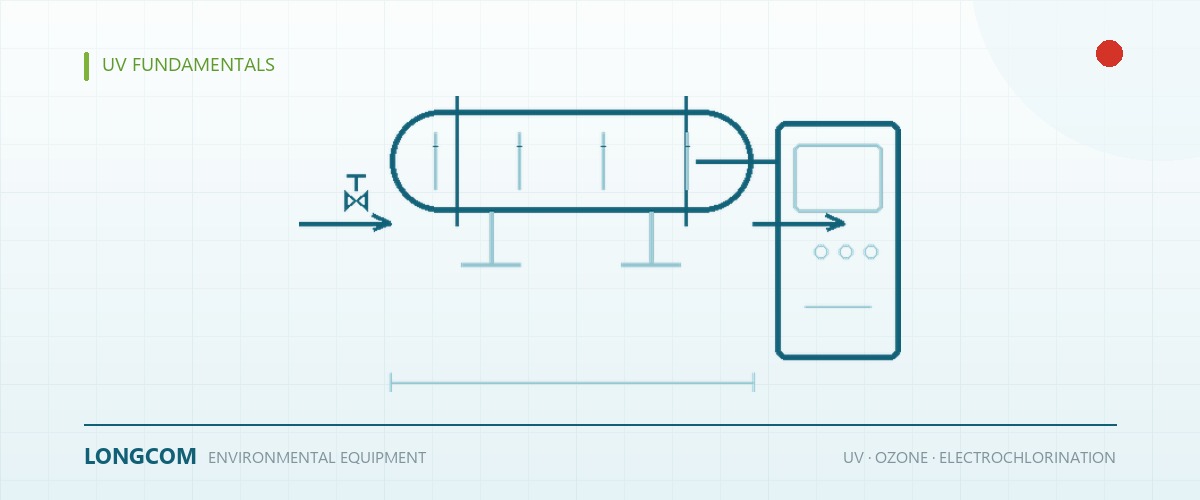
The UV sterilizer, also known as a UV disinfection unit, UV water purifier, UV water treatment equipment, UV water sterilizer, UV germicidal equipment or UV germicidal lamp, is now widely used in industrial and mining enterprises, residential water supply, food processing, pharmaceuticals, high-purity water production and other sectors. As UV technology continues to advance and environmental policies are implemented more strictly, China’s UV sterilizer industry is expected to see new development opportunities. It is estimated that by 2021 the domestic UV sterilizer market could exceed RMB 7.3 billion.
1. A new round of environmental investment
The outlook for the UV sterilizer market is considerable. Environmental protection has become a global economic trend, and China has paid increasing attention to environmental issues in recent years. In April of that year, China issued the Water Pollution Prevention and Control Action Plan (the “Ten Measures for Water”), requiring that by 2020 more than 70% of the water in seven key river basins meet good-quality standards. With the implementation of the plan, a new round of environmental investment is about to begin.
As an important product in the disinfection field, UV sterilizers play a significant role in environmental protection. As investment accelerates, UV sterilizers are set to become a focus of investment, with considerable market potential. Forecasts suggest the domestic UV sterilizer market could exceed RMB 7.3 billion by 2021.
2. UV sterilizers in pharmaceutical water systems
As environmental policies are implemented and pharmaceutical companies face increasingly strict purity requirements for process water, along with more mandatory international standards for drug production, UV sterilizers have become indispensable in pharmaceutical manufacturing.
Drug production generally consists of several process stages, and contamination between stages is possible. UV disinfection can provide an effective safeguard against deterioration of the product between stages, improving pharmaceutical quality and protecting the environment.
With the release and implementation of Good Manufacturing Practice for Pharmaceutical Products (2010 revision) and advances in pharmaceutical utility engineering, drug manufacturers are paying growing attention to the quality of pharmaceutical water. In storage and distribution systems, which run from water generation equipment to points of use, the chosen disinfection and sterilization method has a major impact on water quality and operating costs. As important sterilization equipment, UV sterilizers have a clear role to play in the pharmaceutical sector.
UV sterilization equipment is reported to be the most economical and efficient way to remove more than 98% of ions and organic matter and 100% of microorganisms (in theory) from source water in a single pass. Demand for UV sterilizers in water treatment, food and pharmaceuticals is expected to grow rapidly in the coming years, and the industry’s prospects are considered favorable.
3. UV exposure: limitations and safety
UV provides no residual disinfecting effect. Some viruses and bacteria inactivated by UV can repair their damaged structures with the help of light and revive. Excessive skin exposure to UV damages epidermal cells, dries the skin and harms elastic fibers in the dermis, producing fine lines. UV can damage skin cells, leading to wrinkles and pigmentation and premature aging; in severe cases it causes solar dermatitis and sunburn, or actinic keratosis of the skin and mucous membranes, which may become cancerous. The eyes are particularly sensitive to UV, which can damage the lens and is one of the causes of senile cataracts.
4. Growing demand: UV sterilization robots
UV sterilization robots are entering pharmaceutical and other applications.
A UV sterilization robot can detect obstacles and back away automatically, operate on a schedule and switch off its lamp if it is knocked over, avoiding eye injury. It has an onboard battery: three hours of charging provides two hours of continuous operation, and when power falls below 10% it returns to its dock to recharge. In the past two years, a robot called UVe, designed for kitchens, restaurants and similar settings, has attracted considerable industry attention.
The emergence of UVe suggests that, as technology develops, UV sterilization robots will enter everyday life and help protect people’s health.
During the Ebola outbreak, the U.S. military deployed a four-wheeled robot that could disinfect a room within minutes by emitting UV light. Wayne Pritchett, commander of the 633rd Medical Group at Langley Air Force Base, said that amid widespread public concern about Ebola the robot was reassuring for both patients and medical staff, “raising the level of disinfection” and “boosting the confidence of patients and staff.” The robot’s UV light disinfects surfaces and hard-to-reach corners while avoiding human error.
As environmental policies continue to advance and market demand grows, UV sterilization equipment is being applied appropriately across many industries. As a new and efficient sterilization technology, UV sterilization robots will attract increasing attention in a wide range of fields.
Industry observers note that with continuing technological progress, the Made in China 2025 strategy and rapid growth in demand from pharmaceuticals and other sectors, UV sterilization robots will increasingly be used in pharmaceutical and related applications.
Contact Longkang for sizing support and quotations.