

Can UV Sterilizers Be Used Indoors Safely?
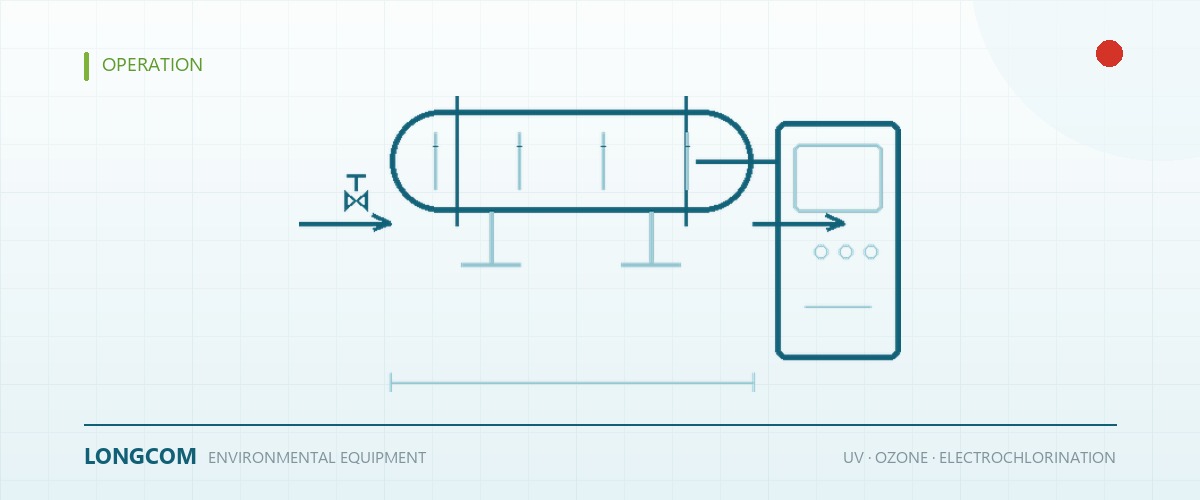
UV sterilizers serve three disinfection purposes: they disinfect not only water, but also air and object surfaces, with very good results. Some people have heard alarming reports of UV burns or severe eye damage, which raises a question: can a UV sterilizer be used indoors?
Many people hold a misconception about the radiation hazard of UV sterilizers. It is true that ultraviolet light is a form of radiation, but a UV sterilizer fully encloses the UV rays inside the unit. As long as the appropriate safety measures are taken and the operating procedures are followed, UV exposure injuries to people will essentially not occur.
When using a UV sterilizer, wear the supplied anti-UV goggles, gloves, and other protective gear during routine operation, and disconnect the power supply when maintaining the equipment — these measures are enough to prevent accidents. In addition, the unit itself fully encloses the UV rays, so they cannot leak out; simply do not look directly at the lamp. UV exposure can harm human eyes and skin, so skin must not be directly exposed and eyes must not look at the UV lamp while it is operating.
Circulating-air UV air sterilizers
A circulating-air UV air sterilizer combines high-intensity UV lamps with a filtration system and disinfects very effectively. It can run for 30 minutes at a time with intervals between cycles, or continuously. Continuous operation is recommended: its maintenance pattern differs from other machinery. With ordinary equipment, we switch it off when not needed to give it a rest and protect it; a UV sterilizer is different — frequent switching affects lamp life and may do more harm than good.
How often should it be switched on and off?
A UV sterilizer should avoid frequent switching, but running permanently is not realistic either. The recommendation is as follows: under normal use, switching once per day is best, and lamps should be replaced once a year. Special cases should be adjusted according to the actual conditions.
Indoor air disinfection
When someone has a cold, a UV sterilizer can be used to disinfect indoor air. Air pollution is the main transmission route for viruses and respiratory infections. Good air disinfection not only prevents the spread of viruses but also controls the transmission of respiratory diseases — SARS and H1N1 both spread through the air, which shows how important air disinfection is.
What should be disinfected indoors?
Germs may hide in every corner of a room. For targeted disinfection, give priority to doors, windows, handles, switches, mice, keyboards, sanitary ware, toys, and similar items.
Indoor disinfection goes beyond these examples. All towels, bath towels, rags, dishcloths, carpets, pillows, toilet seats, and frequently handled magazines and books can also be disinfected.
UV sterilizers can be used indoors, with a broad disinfection scope. Models are available for air, surface, and liquid disinfection. Moreover, UV disinfection is a dynamic process: disinfection can proceed in the presence of people, as long as the eyes and skin are not directly exposed. It is entirely suitable for indoor use.