

Chlorine Dioxide Generator: Dosing Pump Operating Guide
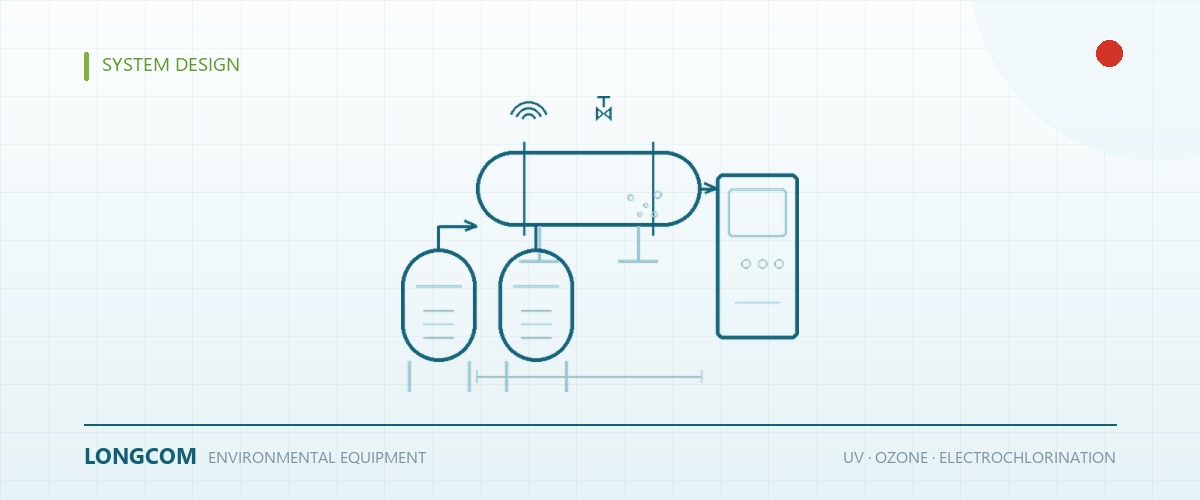
This article explains how to operate the dosing pump of a chlorine dioxide generator, including pre-start checks, start-up, shutdown and troubleshooting.
Operating procedures and precautions
1. Pre-start inspection
- Prepare raw materials. This generator uses 25% liquid sodium chlorite and 31–33% concentrated hydrochloric acid. Both are available directly on the market and need no further dilution or preparation.
- Check that the two raw-material hoses (hydrochloric acid and sodium chlorite) are inserted into their respective tanks.
- Check that the pressure-water (tap water) valve is open (normally no re-adjustment is needed after initial setting).
- Check that the two flush-water valves are closed.
- Check that the chlorine dioxide solution outlet valve is open. If only one generator is running, close the outlet valve of the other unit.
- Check that the corresponding main switch, dosing pump and metering pump switches on the main control box are closed.
2. Start-up
- Press the booster-pump button on the generator. The generator begins dosing the chlorine dioxide solution it produces into the water being treated, and the metering-pump indicator lights green.
- Press the metering-pump button. The generator starts producing chlorine dioxide solution, and the booster-pump indicator lights green.
- The generator uses a unique design in which the booster pump works intermittently, generating chlorine dioxide in cycles to save power. The booster pump is controlled by the liquid level in the storage tank: it starts at low level and stops at high level; at low-low or high-high level, system power is cut automatically with an alarm, and both pumps stop. The system is highly automated and needs no dedicated operator on duty.
- During operation, check in time that raw material remains in the tanks and that the generator is drawing material. If it is not drawing, troubleshoot using the guide below or the manufacturer’s manual.
- After a single generator has consumed 250 kg of raw material, replace the raw-material filter cartridge promptly.
3. Shutdown
- Routine shutdown: press the booster-pump and metering-pump buttons until both indicator lights go out, leaving only the power light on. Then open the flush-water valve and flush the generator for 10–20 minutes.
- Short-term shutdown for maintenance: first switch off the main power in the wall-mounted control box until the power indicator on the generator goes out. Depending on the work to be done, cut off the hydrochloric acid and sodium chlorite supply and close the tap-water valve feeding the booster pump.
Troubleshooting
1. Generator not drawing raw material
- No material in the tank: replace the tank.
- Hose not below the liquid surface: insert it below the surface.
- No acid and no chlorite supplied at the same time: the vacuum is insufficient, or a hose-to-quick-connector joint is leaking. Check that booster-water flow and pressure meet requirements (20 L/min, 5–6 kg/cm², read from flowmeter and gauge) and reconnect all fittings.
- To check for vacuum leaks: press a section of the inlet hose with a finger. If suction is felt, the vacuum is adequate and the line is tight; otherwise there is a leak. Inspect connections from the farthest to the nearest, wrapping leaking joints with tape or replacing a cracked hose.
- Chlorite is drawn but acid is not: open the flush-water valve and flush the generator for 10–20 minutes.
- Filter cartridge blocked: replace with a new one.
- Reaction column blocked: open the flush-water valve and flush for 5–10 minutes.
2. Dosing (metering) pump delivers no solution
- Check whether the metering-pump motor is running. If not, the motor or control circuit may be faulty. In most cases the motor is intact and the circuit’s overload protection has tripped: open the square controller inside the generator, press the blue reset button on the thermal relay on the right of the lower row, and the pump should work. If it still fails, have a qualified electrician check the circuit against the manufacturer’s wiring diagram.
- Check the suction or discharge line for debris blocking the pipe and clear it.
- Loosen the unions on the suction or discharge pipe to purge air.
3. Chlorine dioxide solution overflowing
The level sensor is insensitive. Check for debris on the float or loose electrical wires and correct any issue. When overflow occurs, loosen the valve between the storage tank and the metering pump, drain a small amount of solution to bring the level below the high point, then restart the booster and metering pumps.
4. Dosing (metering) pump leaking oil
Refer to the pump manual, disassemble the relevant part and replace the oil seal. Fit the seal flat and never damage it with a hard tool, or it will leak again. Oil seals are wear parts — keep spares on hand for timely replacement.