

What to Watch For with Aquarium UV Sterilizers
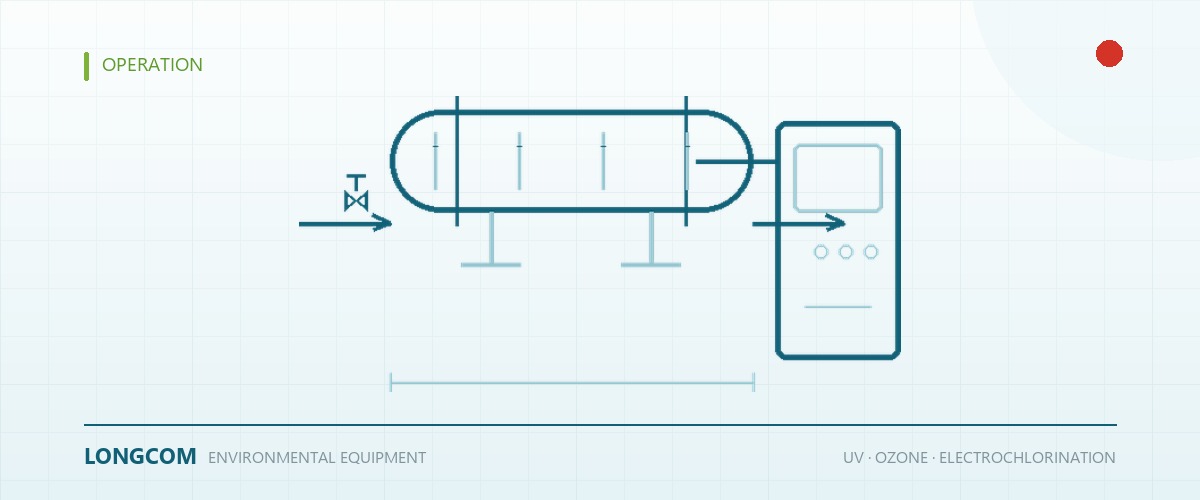
An aquarium UV sterilizer is a water filtration device that uses a UV bulb to kill free-floating microorganisms in the water. Parasites, viruses, algae and bacteria (both good and bad) are the kinds of organisms that are “killed” after passing through a UV sterilization unit. UV sterilizers can be used in swimming pools, liquid plants (such as breweries) and home aquariums. Some large water-purification centers use some form of UV disinfection on the water they discharge. These sterilizers are sometimes used in outdoor ponds to help control algae growth, and they seem to do a good job.
When using a UV sterilizer in a home aquarium, the UV unit should be placed at the end of the filtration line. You want to filter the aquarium water mechanically first and then pass the water through the UV unit before returning it to the tank. By removing solids from the aquarium water with a mechanical filter first (a canister filter, etc.), you help your UV unit operate at maximum efficiency.
The effectiveness of any sterilizer depends on the wattage of the UV bulb, the age of the bulb, how clean the quartz sleeve is and the flow rate through the unit.
1. Aquarium UV sterilizer bulbs
A bulb’s effectiveness diminishes with time and use. Manufacturers usually recommend replacing the bulb after six months. Bulbs are available from 8 W to 130 W. The higher the wattage, the more effective the bulb generally is. If you have a lower-wattage unit, you will want a lower flow rate to make the most of it.
2. Aquarium UV sterilizer flow rate
The flow rate through the unit is an important consideration. Flow is measured in gallons per hour (gph) or liters per hour (lph). While a higher flow rate may be acceptable for killing algae and some bacteria, killing parasites usually requires a lower flow rate. For example, a 15 W bulb can typically kill algae and bacteria at a flow rate of 120 gph, but you need to reduce the flow to around 75 gph to kill parasites effectively. Read the manufacturer’s recommendations for effective bulb wattage and flow rate for your specific unit.
3. Keeping the quartz sleeve clean
One thing hobbyists forget is the quartz sleeve into which the UV bulb slides. You must clean the quartz sleeve regularly, removing any buildup, to keep the sterilizer operating at peak efficiency. Better sterilizer units have a wiper with a handle that lets you clean the sleeve quickly and easily without disassembling the sterilizer.
4. Where to buy a UV sterilizer
UV sterilizers can now be found at local pet stores and are certainly available online. Look for good deals on second-hand units — or even new ones — on eBay or similar auction sites. Because they are expensive, research the unit you are interested in before investing. Use a search engine to look for reviews on tropical-fish forums and discussion boards. Since you usually need to replace the bulb about every six months, find out how much a replacement bulb costs; this can be a useful factor when comparing shops.
5. Do I really need a UV sterilizer for my aquarium?
For a well-filtered and well-maintained indoor freshwater tank, you probably do not. Saltwater hobbyists may have a good reason to buy one, since many saltwater species are expensive. However, most hobbyists do not really need one if they do things properly. Doing things properly means using a quarantine tank for new arrivals and performing regular tank maintenance.
Keepers of outdoor ponds may want to invest in one to help control algae problems in an outdoor pond.
Contact Longkang for selection support and quotations.