

Is a UV Sterilizer Suitable for Your Aquarium?
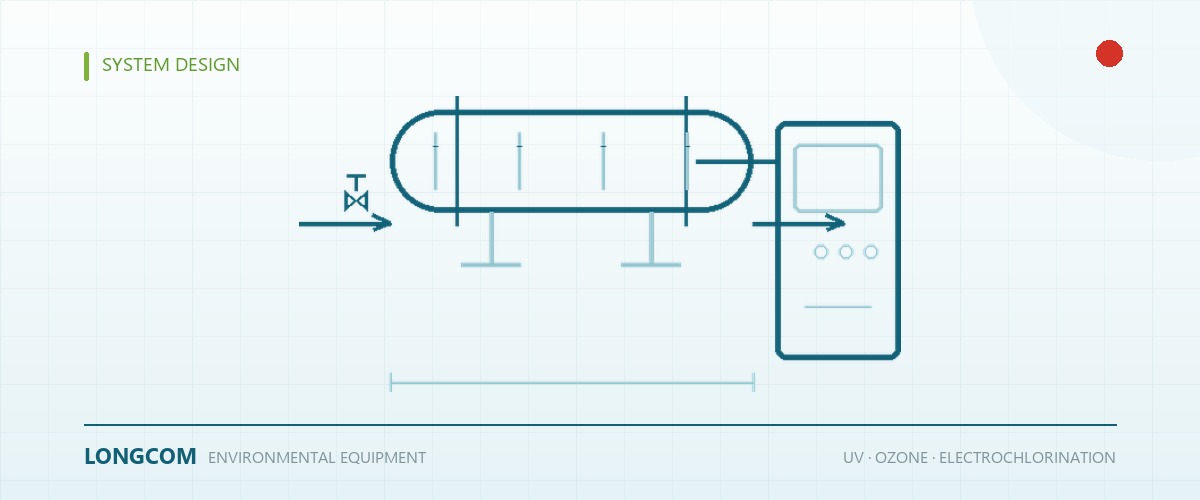
UV sterilizers are devices used to maintain water quality in aquariums, ponds and other aquaculture environments. They are generally designed to work alongside filtration systems and maintenance routines so that overall conditions stay as healthy as possible. Many companies manufacture these units, and they are available from dealers serving hobbyists and aquaculture professionals alike. They can also be ordered directly from a UV sterilizer manufacturer.
1. How a UV sterilizer works
In a system fitted with a sterilizer, water flows through the unit at a steady rate. As it passes through, it is bombarded with ultraviolet light that kills microorganisms in the water, such as bacteria, algae and protozoa. The clean water is then released back into the aquarium or similar environment.
2. The role of filtration and flow
Water entering the sterilizer is usually filtered first. Filtration serves several purposes. It keeps fish and other aquatic animals out of the water that is due to pass through the in-line sterilizer, so they are not exposed to the radiation. It also removes impurities from the water. The clearer the water passing through the sterilizer, the better the unit kills harmful microorganisms. Flow rate can be adjusted to suit a given environment. An in-line sterilizer can also be used to clear air passed through an aerator, ensuring that microorganisms do not hitch a ride on the water used to oxygenate the environment. Although an in-line sterilizer is not completely effective in every situation, it can substantially reduce the microbial population and keep the environment clean. This is especially useful when disease spreads through the water.
3. Limitations of a UV sterilizer
A sterilizer cannot treat microorganisms that live in or on the water. If disease does occur, it may be necessary to isolate infected individuals so they do not pass the condition to others, and to medicate them to kill the infectious agent. An in-line sterilizer also cannot compensate for unclean conditions: if the environment is poorly maintained, it can still become a breeding ground for bacteria even with a sterilizer in place. It is also important to adjust the environment to the needs of the specific occupants, as different fish may require different nutrients, pH balances and so on.
4. In-line installation and lamp power
When using an in-line sterilizer in a home aquarium, place it at the end of the filtration line. Filter the aquarium water through a mechanical filter first, then pass it through the UV unit before returning it to the tank. Removing solids from the aquarium water with a mechanical filter (such as a canister filter) first helps your UV unit operate at maximum efficiency. The effectiveness of any in-line sterilizer depends on the wattage of the UV lamp, the age of the lamp, how clean the quartz sleeve is and the flow rate through the unit.
UV lamp effectiveness declines with time and use; manufacturers usually recommend replacing the lamp after six months. Lamps are available from 8 to 130 watts, and higher wattage is generally more effective. If you have a lower-powered unit, you will need a lower flow rate to make the most of it. Flow rate is an important consideration, measured in gallons per hour (gph) or litres per hour (lph). While a higher flow can kill algae and some bacteria, a lower flow is usually needed to kill parasites. For example, a 15-watt lamp will typically kill algae and bacteria at around 120 gph, but you will need to reduce the flow to about 75 gph to kill parasites effectively. Read the manufacturer’s recommendations for your specific unit to learn the effective lamp wattage and flow rate.
Keep the quartz sleeve clean: one thing hobbyists forget is the quartz sleeve into which the UV lamp slides. You must clean this sleeve regularly to remove any build-up and keep the sterilizer operating at peak efficiency. Better units have an external wiper with a handle, letting you clean the sleeve quickly and easily without disassembling the sterilizer.
5. Do I really need a UV sterilizer for my aquarium?
For a well-filtered, properly maintained indoor freshwater tank, you probably do not. Saltwater hobbyists may have a good reason, given the high price of many saltwater species, but most hobbyists do not actually need one when they do things right. Doing things right means using a quarantine tank for newcomers and performing regular tank maintenance. Outdoor pond keepers may want to invest in an in-line sterilizer to help control algae problems in an outdoor pond.
Contact Longkang for selection support and quotations.