

What to Consider When Buying a UV Sterilizer
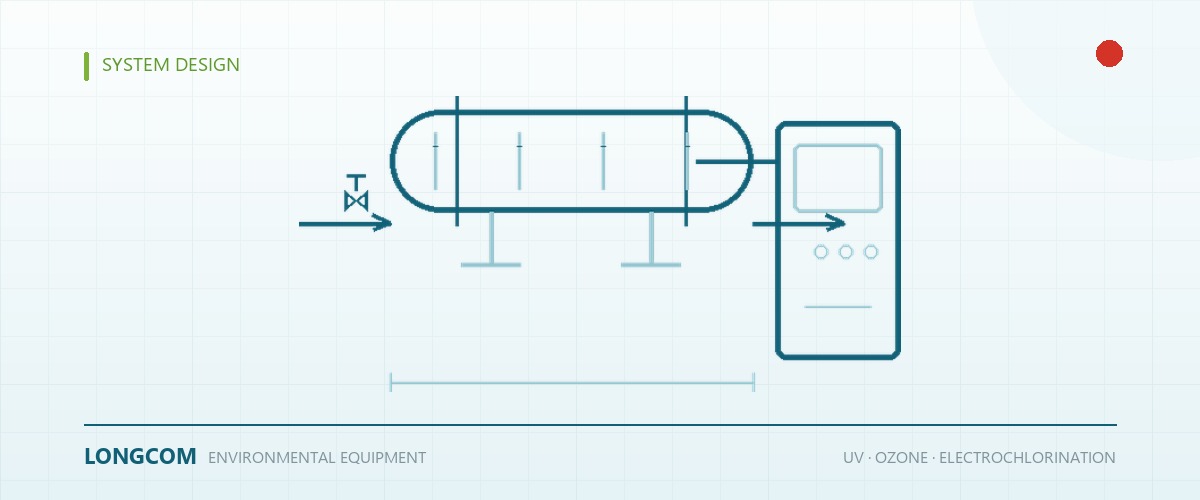
Considering buying a UV sterilizer? You may be asking yourself whether you really need one, how you can tell whether it works, and what size you should buy. These are all valid questions. In the following sections I will explain what a UV sterilizer is and how to integrate it into a system to help maintain an almost disease-free and parasite-free habitat for your aquatic friends. Sterilizers have been used for many years and give owners a degree of confidence that the chance of fish contracting parasites or disease is greatly reduced. Of course, this depends on implementation, intensity and contact time (flow). The way it works is that water from the tank flows through a chamber around a UV light source and then returns to the tank. The returning water is “reduced” of the microorganisms passing through it.
1. Do I need a UV sterilizer to keep my system free of disease and parasites?
This is a tricky and controversial question. Some say yes, others say no. UV is optional equipment for preventive use, so it should be used as such. Many people buy one mistakenly and then find that parasites are still present in the aquarium. I would suggest that using a sterilizer deserves serious consideration. If your tank is in good condition and there are no ongoing outbreaks of disease, parasites or algae blooms, then money spent on the tank could go towards buying one right away. If, however, you have doubts about the issues above, UV can help reduce the number of free-floating microorganisms causing the problem. Remember that this is a long process and results will not be visible for at least a week.
2. What size sterilizer should I get?
For aquariums, UV sterilizers range from 8 to 240 watts, and even higher in larger applications. The wattage needed depends on the size of the aquarium it will serve. An informal rule of thumb is 10 watts per 75 gallons for saltwater applications and 10 watts per 150 gallons for freshwater closed systems. In pond applications, because sunlight naturally generates UV, this rises substantially to 10 watts per 1,000 gallons. There is never any harm in moving up to the next size to cope with bioload, particles and water turbidity; all of these factors affect the efficacy of the unit.
3. How fast should the flow through the sterilizer be?
This is an important setting, second in importance only to power. The flow through the sterilizer determines the kill rate for microorganisms. Too fast and they slip through; too slow and the water heats the aquarium beyond the intended temperature and shortens lamp life. When choosing a flow rate, I find it best to start at the manufacturer’s minimum flow rating and increase by 50 gph. I have found this to be the most effective. If it causes heat problems, the flow can be increased by around another 50 gph until heat is no longer an issue. The key is to keep the maximum effective flow below 50 gph, which will show the best kill rate.
Note: some manufacturers make submersible pumps and power heads with variable flow selectors. I recommend using one of these to adjust flow. You want the pump rated just below the UV unit’s recommended maximum flow — for example, if the manufacturer’s maximum is 500 gallons per hour, you might choose a 450 gph pump. This allows you to adjust the flow accordingly if heat problems arise.
4. How do I connect it to the system?
Most sterilizers are in-line devices that need to be installed on the return line from the pump to the main tank; some are designed to hang on the aquarium like a hang-on-back power filter. Because there are many designs and customer setups, this question ultimately comes down to you and the manufacturer, based on the instructions for the unit you buy. I recommend reading the instructions thoroughly and, if problems arise, checking whether the manufacturer offers a helpline or looking for the best online resources.
Note: it is best to use an inline shut-off valve to help with maintenance. This will let you remove the UV unit for cleaning.
5. How do I know whether it is working?
For most aquarium owners this is a frequently asked question. The only way to tell is to consider whether there has been an outbreak of disease since you added the sterilizer. If not, it is probably working fine. If the answer is yes, you may need to check things such as lamp age, cleanliness and the flow through the sterilizer. All of these factors affect its efficacy.
6. What does it look like inside, and how much maintenance is involved?
The inside of a sterilizer can vary greatly from one manufacturer to another, but they all work in the same way. Most have an external tank-type body with screws on the end cap. Inside that end cap is a hole holding the quartz sleeve, made from special quartz glass that helps the UV lamp maintain the correct heat and protects the bulb from water. The sleeve is held in the end-cap hole by a compression ring. The inside of the tank is called the reaction chamber. The inner wall may or may not have a protective sleeve insert to stop the wall being damaged and becoming brittle from UV exposure. Again, there are many different manufacturers.
Sterilizer maintenance should be carried out every two weeks. Just as the interior of a return line becomes lined with slime and opaque, so the inside of a UV unit will do the same. This affects its ability to work. To clean the sterilizer you must be familiar with its internal workings. It is a simple design, but some parts need good cleaning. Always make sure the unit is unplugged before attempting any maintenance. Most aquarium sterilizers are designed with a hole or window so you can see the lamp’s glow while it is running.
Once you have removed the UV unit from the system, take care when disassembling it and wash the inside and outside with a mild bleach-and-water solution. Once clean, rinse thoroughly and reassemble. This is a good time to check everything and note any items that may need replacing due to deterioration. Many experts recommend changing the lamp after six months of use. Most manufacturers recommend at least one year, but it has been noted that most UV lamps lose their killing ability after about nine months. Changing the lamp every six months ensures it works properly.
7. What exactly does a sterilizer kill?
As organisms are exposed to UV light, the chemical bonds in their DNA change, preventing them from multiplying and leading to the extinction of the species. Only microorganisms floating in the water and exposed to the UV light are eliminated, such as algae, parasites or viruses. The nitrifying bacteria that benefit fish health are not carried into the sterilizer, so they are not exposed to UV and are not destroyed. There are some findings suggesting that in-line sterilizers may threaten amphibian populations, although some larvae in amphibians and other benthic organisms may be aquatic.
Note: when using a refugium, I recommend placing the UV sterilizer entirely on a separate return line. Refugia are often designed as pod farms and a food source for the main tank. Placing UV after the refugium may kill the pods before they are returned to the main tank.
Finally, although in-line sterilizers have had some bad press lately and other parasite-removal methods are becoming easier to add and less harmful to fish and invertebrates than ever, I still use a UV sterilizer on my tank, running 24 hours a day, seven days a week. I have not had a visible parasite outbreak; my amphibians and benthic organisms are thriving and, most importantly, my fish are happy — which makes me happy. So if you want a UV sterilizer and are willing to maintain it, by all means buy one. You will not regret it.
Contact Longkang for selection support and quotations.