

Pros and Cons of UV Water Treatment
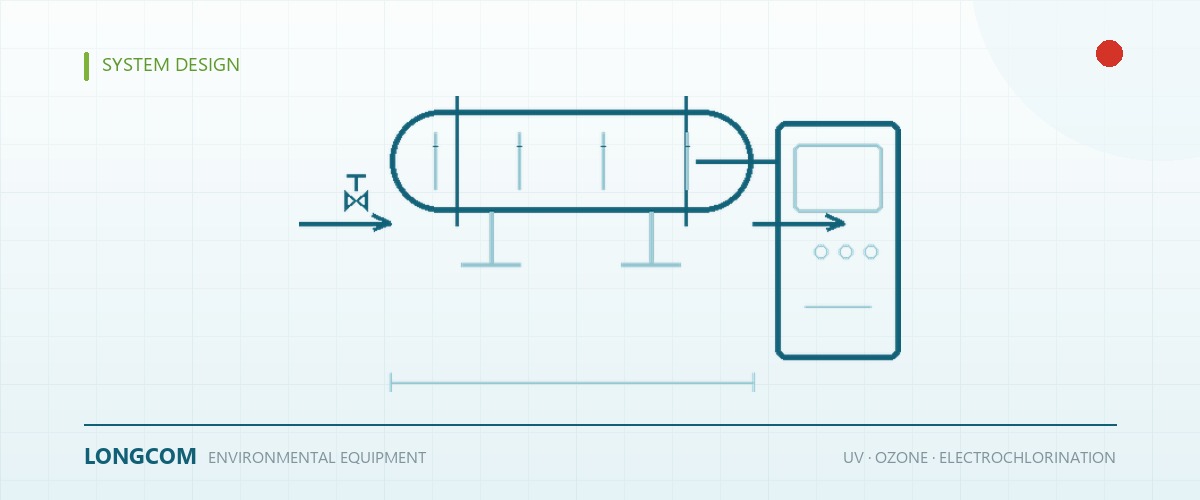
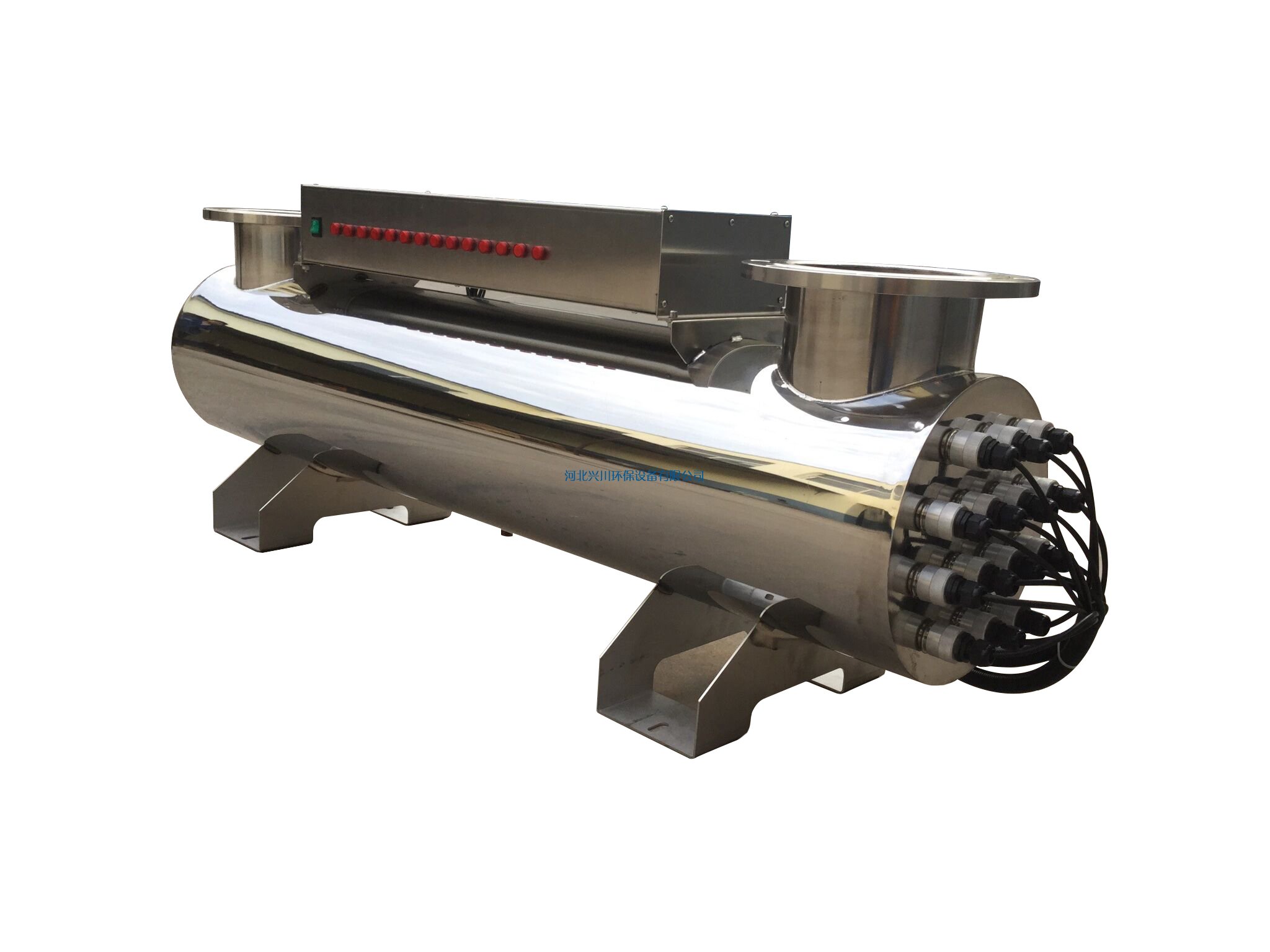
Today, as health awareness grows, many households choose to add a water treatment system at home. Whether your supply comes from a municipal system or a private well, a complete home water treatment system can safeguard the health of your water. There are many options, and the right one depends on your needs, the contaminants that may be present, your budget, and the advice of a water treatment professional about the best choice. Aging municipal infrastructure and denser housing that draws on aquifers can increase the risk of contamination. Bacteria and organic organisms such as Giardia and E. coli have been found in both municipal supplies and private wells. UV technology is a treatment that can give your family peace of mind. UV sterilizers are generally divided into open-channel units and in-line (pipeline) units; in-line units are further divided into manual-cleaning and automatic-cleaning types. For small water volumes, an in-line UV sterilizer is the usual choice; for large water volumes, an open-channel UV sterilizer is recommended.
1. Advantages of UV water treatment
Municipal suppliers take the necessary precautions to meet water quality standards. Homeowners who test annually also know their water quality. However, chlorine-resistant microorganisms such as Giardia or Cryptosporidium can still enter municipal supplies and occur naturally in wells. These organisms cause thousands of documented health cases each year.
A UV purification system can take water purification to another level and is a safe solution for removing microbial hazards from water. UV water treatment is:
- Effective — eliminates 99.99% of microorganisms
- Chemical-free — UV systems use no chemicals; water is disinfected as it passes under the UV light
- Environmentally friendly — a viable green alternative to chlorination, releasing no by-products
- Trouble-free — once installed, a UV system needs only annual maintenance
- Reliable — 24 hours a day, 365 days a year, keeping the supply safe
- Safe — no hazardous chemicals to handle
- Compact — water flows through the system; no storage tank or reaction time is needed
- Clean — no dirty filters or media to throw away
- Low energy consumption
- Resource-saving — the UV purification process wastes no water
- FDA approved — UV is one of only four disinfection methods approved by the U.S. Food and Drug Administration
Most UV systems need only an annual lamp change and occasional replacement of the filter that protects the lamp. Although a UV system can be somewhat expensive up front, its low operating cost means it pays for itself quickly.
2. Disadvantages of UV water treatment
While UV offers many benefits, this treatment method has some challenges. UV light removes only microorganisms; it does not remove other contaminants such as heavy metals, salts, chlorine, or man-made pollutants. If you are concerned about other contaminants, UV can be combined with filtration to remove them further.
UV light is effective only when the water being treated is clear and transparent. If your well produces cloudy water or water containing floating solids, pre-filtration should be installed before UV treatment. If UV cannot reach the microorganisms because particles block it, it will not be effective.
Finally, UV systems need electricity to operate. This means they may not suit certain applications where power is unavailable, such as emergency or survival needs.
Overall, UV water treatment is an outstanding way to meet household water purification needs. It has proven to be one of the most reliable and cost-effective methods of water disinfection for point-of-use and whole-house applications. Combined with pre- or post-filtration, UV is an excellent way to keep you and your family supplied with healthy, clean drinking water for years to come.
Contact Longkang for selection support and quotations.