

What Does a UV Sterilizer Do?
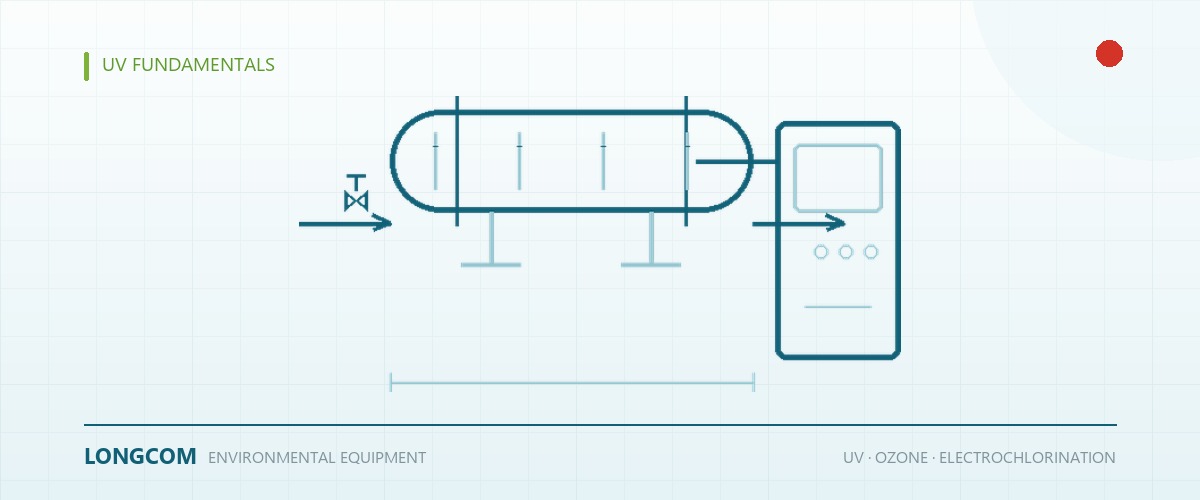
A saltwater aquarium is a life-support system. That life-support system includes circulation fans, pumps, heaters, and a sump or filter tank. In the same way, every aquarium or pond relies on three invisible filtration and lighting technologies to sustain the life forms within it. A marine environment in particular calls for pristine, sterile water. Below are the guidelines for installing a UV sterilizer in a sump.
1. What are the benefits of a UV sterilizer?
In short, UV sterilization provides four essential benefits for your aquarium or pond.
2. Removing green water
Be aware that not all UV sterilizers are the same. In fact, this is the only benefit a low-cost UV clarifier will deliver for your aquarium or pond. Cheap UV products (often mistakenly called “sterilizers”) clump free-floating algae together. The clumped algae may still be reproducing, but they become trapped in the filter or sump. A genuine sterilizer does more than clump algae: it kills the algae or prevents them from reproducing. The lamps in a true sterilizer are rated for around 14 months of operation, while low-cost products use inefficient, non-sterilizing lamps rated at no more than 36 watts. Compared with low-cost models of the same wattage, a properly installed UV sterilizer typically performs around eight times better.
3. Killing most free-floating bacteria
Beneficial bacteria live on all the wet surfaces of an aquarium. They are the organisms responsible for healthy biological filtration. Biological filtration works best when surfaces are exposed to flowing, oxygen-rich water. Free-floating bacteria, good or bad, do not belong in the water column. A correctly installed UV sterilizer not only kills algae but also disinfects, weakens and destroys free-floating bacteria. This reduces the incidence of infections in fish.
4. Lowering oxidative stress in fish
The water in your aquarium carries a positive and negative balance. Manufacturers have decades of experience designing positively oxidized aquarium systems. Yet a reducing environment occurs naturally as well. A UV sterilizer can reduce oxidation and reduction in a very natural way. This balanced reduction produces properly charged minerals such as calcium, iron and magnesium. Fish and corals absorb these soluble minerals for their tissues. Minerals are essential for fish health and vitamin uptake, and a UV sterilizer can improve the immune system of your fish.
5. Helping control parasites
A powerful sterilizer will kill some free-floating parasites and protozoa. It is also highly effective against ciliated pathogens. In addition, UV radiation breaks down the floating organic matter that some of these pathogens consume before infecting a host. Combined with improved fish health, this ability to irradiate pathogens makes a UV sterilizer a useful auxiliary tool for parasite control.
6. Guidelines for installing a UV sterilizer in a sump
We place the UV sterilizer directly above the return pump in your tank. Alternatively, it can be connected to a dedicated auxiliary pump, with or without a sump.
- Choose the right size for your aquarium. In our guide video, we installed a 57-watt UV sterilizer on a 160-gallon system.
- Calculate the required flow rate. In most cases we follow the manufacturer’s recommended flow. Before producing our example video we calculated a flow of 20 gallons per hour per watt. If the return pump delivers more than 25 gph, consider routing it through a bypass tee with a valve. The example in our video did not need a bypass valve. For the best flow, use 1-inch or larger PVC pipe; flexible vinyl tubing suffers greater friction loss than PVC, so we also recommend oversizing vinyl tubing.
- Install the sterilizer housing according to the manufacturer’s instructions. Because you will replace the lamp and clean the unit every year, place it somewhere easy to reach. If it cannot be accessed, you may need to modify the pipework with unions or flexible fittings. Take care, because the sterilizer contains a fragile quartz sleeve.
- Once the plumbing is complete, install the lamp and power supply. Tighten all fittings firmly. Let glued PVC fittings cure for two hours before starting the pump. Open the valves fully, run the pump and check for leaks.
- Add a small amount of fresh carbon to your aquarium. The carbon will effectively remove any VOCs that may have been absorbed into the aquarium water.
Contact Longkang for sizing support and quotations.